


A move in Corpus Christi is easier to plan when you watch the signals behind the listing price: fresh inventory, days on market, price adjustments, insurance questions, and the condition of comparable homes. These indicators can help buyers and sellers make decisions with clearer expectations rather than relying on headlines or a single online estimate.
Start With the Market Signals That Change the Conversation
Real estate decisions along the Coastal Bend often begin with a familiar question: “Is this a good time to move?” The more useful question is usually, “What is the market doing in the specific price range, property type, and area I am considering?” Corpus Christi includes established neighborhoods, waterfront-adjacent properties, new construction, condos, homes with larger lots, and communities in nearby coastal towns. Those segments do not always move at the same pace.

New listings are one of the first signals to monitor. When more homes are entering the market than are going under contract, buyers may have more options and more time to compare condition, location, and monthly ownership costs. When the supply of well-priced homes remains limited, preparation matters: financing conversations, property priorities, and a clear understanding of comparable sales can help a buyer respond quickly without skipping due diligence.
For sellers, active competition matters just as much as recent sales. A home may have a similar bedroom count or square footage to another listing, yet differ substantially in updates, lot orientation, flood-zone designation, roof age, outdoor space, or proximity to major corridors and coastal amenities. Looking at the homes a buyer can choose today is often the best way to position a property thoughtfully.
The most meaningful comparison is rarely the entire citywide average. A focused review of similar homes in the same area and price range gives a much clearer picture of demand and competition.
Another useful indicator is the relationship between original list price and final sales price. A property that receives an early offer may reflect accurate pricing, strong presentation, favorable timing, or all three. A home that needs several adjustments is not necessarily a poor property; it may simply be reaching for a price point where buyers expect a different level of finish, condition, or location. Watching this pattern can help sellers avoid chasing the market downward and can help buyers recognize when an asking price is already aligned with current demand.
Days on Market Tell a Story, but Not the Whole Story
Days on market can reveal whether buyers are responding to a listing, but the number needs context. A newly listed home can attract attention because it is fresh, while a property that has been available longer may offer an opportunity to ask better questions about updates, inspections, financing terms, or the seller’s preferred timeline. Neither situation automatically determines value.
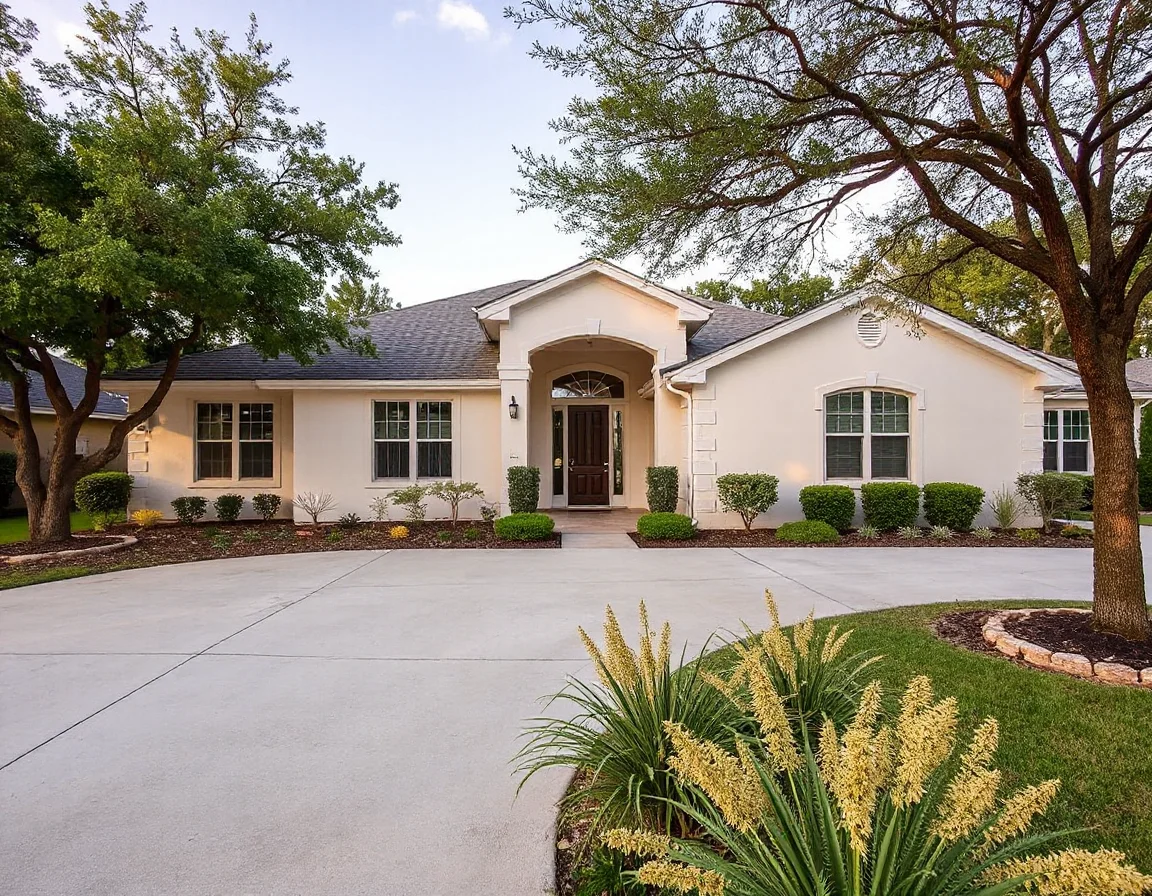
In the Corpus Christi area, seasonal rhythms can also influence activity. Weather, holidays, school calendars, relocation schedules, and tourism-related traffic can affect showing volume at different points in the year. That is why a single slow week or an especially busy open-house weekend should not be treated as a complete market forecast. A stronger approach is to review several weeks or months of listing, pending, and closed-sale activity.
Pay attention to which homes are moving. Are buyers responding to homes that are updated before listing? Are properties with flexible spaces, efficient layouts, refreshed kitchens, or outdoor living areas generating faster interest? Are condominium listings moving differently from detached homes? Those details can be more actionable than a broad statistic because they point to the features that are currently influencing buyer decisions.
A careful review should also separate seller concessions from price reductions. A lower purchase price and a credit toward eligible closing costs can produce very different outcomes depending on a buyer’s financing, cash-to-close plans, and lender guidelines. The right structure is not universal; it is part of the larger negotiation and should be considered alongside appraisal results, inspection findings, and the overall condition of the home.
Search Corpus Christi listings
Coastal Ownership Costs Deserve an Early Look
Price is only one part of the ownership picture. In a coastal market, buyers benefit from asking early about insurance availability, windstorm considerations, flood-zone information, elevation certificates when applicable, roof condition, drainage, utility costs, homeowners association dues, and maintenance history. These items are not reasons to avoid a property; they are practical details that help create a realistic budget and a confident offer strategy.
Insurance questions are particularly important because coverage, deductibles, and underwriting requirements can vary by property and carrier. A buyer may want to speak with an insurance professional while evaluating homes rather than waiting until late in the contract process. Sellers can make the process smoother by organizing available records for major improvements, permits, roof work, HVAC servicing, foundation repairs, and prior inspections. Clear documentation can reduce uncertainty and help purchasers understand what has been maintained.
For condominiums and townhomes, review association documents with the same care used for the home itself. Monthly dues, reserve funding, exterior maintenance responsibilities, rental rules, parking arrangements, and upcoming projects can shape the total cost of ownership. Buyers should allow enough time to read the documents, ask questions, and understand how the association operates before finalizing a decision.
Location details are equally valuable. Commute routes, access to medical services, parks, marinas, cultural venues, grocery options, recreation, and major employment centers all affect how a property functions day to day. The goal is not to find a universally “best” area, but to identify the practical features that support your own routines and priorities.
Use Comparable Sales as a Decision Tool, Not a Shortcut
A comparable sale is most useful when it resembles the home being evaluated in location, property type, size, condition, age, lot characteristics, and timing. Online estimates can be a convenient starting point, but they may not capture recent renovations, deferred maintenance, distinctive views, a garage conversion, or differences in neighborhood boundaries. A well-supported pricing conversation considers both the data and the property’s individual story.
Buyers can use comparable sales to understand the range of recent outcomes, then weigh that information against the home’s present competition. Sellers can use the same information to choose a list price that invites qualified attention without leaving important value unaddressed. In either case, a local perspective matters because the Coastal Bend includes many micro-markets with different inventory levels and buyer expectations.
Before making an offer or choosing a list price, compare recent closed sales with active and pending listings. Closed sales show where the market has been; active and pending homes help show where it may be heading.
Market signals are most helpful when they lead to a plan. A buyer’s plan may include a comfortable payment range, insurance research, inspection priorities, and a short list of non-negotiable property features. A seller’s plan may include repair decisions, preparation milestones, a pricing review, and a strategy for responding to feedback after launch. Taking these steps early can make the move feel more manageable from the first showing through closing.
Whether you are considering a home in Corpus Christi or exploring the broader Coastal Bend, the strongest decisions are grounded in current local information and clear personal goals. Melissa Collins Real Estate brings a localized approach to the process, helping clients sort through changing conditions, property details, and next steps with personalized guidance.