
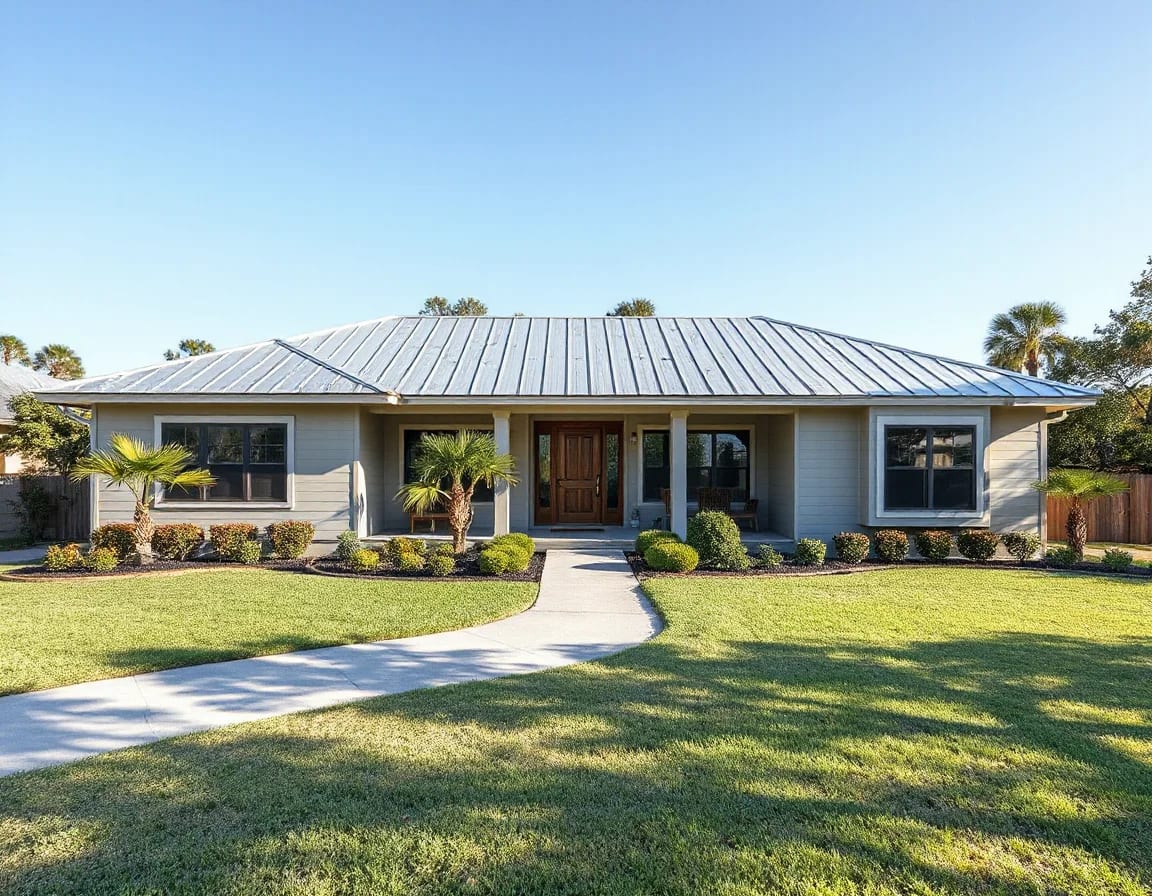
A Rockport home can offer salt-air mornings, access to the bay, and a distinctly Coastal Bend rhythm—but the buying process should start with practical questions. From insurance and elevation to construction details and daily access, these seven conversations can help you evaluate a property with clarity before making an offer.
Start With the Coastal Details That Shape Ownership
Buying near the water is about more than finding a view you enjoy. Rockport’s coastal setting brings considerations that can affect a home’s long-term maintenance, operating costs, insurance options, and resale appeal. A thoughtful tour includes the finishes and floor plan, of course, but it also looks closely at how the property is positioned for the local climate.
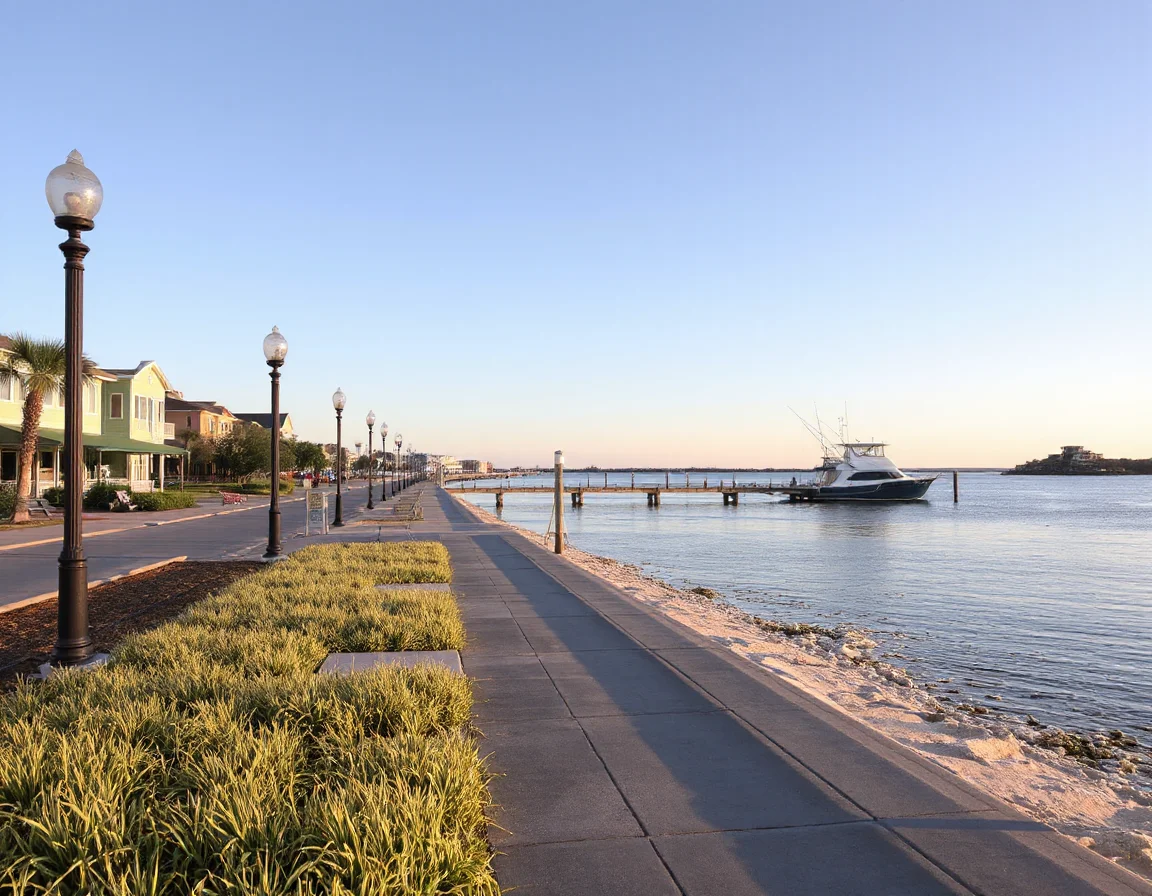
1. What flood zone is the property in, and what does that mean for insurance? Ask for the current flood zone designation and review FEMA flood maps as part of your research. Flood insurance requirements and availability can vary by property, lender, elevation, and policy type. Even when coverage is not required by a lender, buyers may wish to discuss their options with an insurance professional. It is also useful to ask the seller about any known prior water intrusion, drainage improvements, or flood-related repairs.
2. How is the home elevated and how does water move across the lot? A raised structure, pier-and-beam foundation, grading, swales, drainage inlets, and the condition of surrounding pavement can all matter during periods of heavy rain. During a showing, look beyond the living spaces: note the driveway slope, low points near the foundation, location of mechanical equipment, and the condition of any ground-level storage areas. A qualified inspector can help identify visible concerns, while local records and seller disclosures may provide additional context.
A property’s flood-zone designation is only one piece of the picture. Elevation, drainage, insurance terms, and the home’s construction all deserve separate review before deadlines arrive.
3. Which windstorm and roof features should be verified? Coastal Texas homes may have impact-resistant openings, storm shutters, reinforced garage doors, roof straps, upgraded fasteners, or other resilience-minded features. Do not rely on a quick visual impression alone. Ask about the roof’s age, material, maintenance history, permits for major repairs, and any windstorm documentation that may be available. If a home has shutters or panels, confirm where they are stored and whether they are included in the sale.
These questions are not meant to make the process feel intimidating. They simply help turn a beautiful coastal home into a well-understood purchase. A clear inspection strategy, timely insurance conversations, and careful review of disclosures can make your decision more confident.
Look Closely at Materials, Systems, and Everyday Access
4. How has the exterior been maintained for a salt-air environment? Salt, humidity, sun, and wind can put extra demands on exterior components. Ask about siding, paint or coatings, railings, exterior fasteners, windows, doors, HVAC equipment, decks, and fencing. During a visit, look for peeling finishes, corrosion, cracked caulking, soft wood, loose railings, or equipment that appears overdue for service. Regular maintenance is a normal part of ownership, and understanding a home’s upkeep history can help you plan ahead.
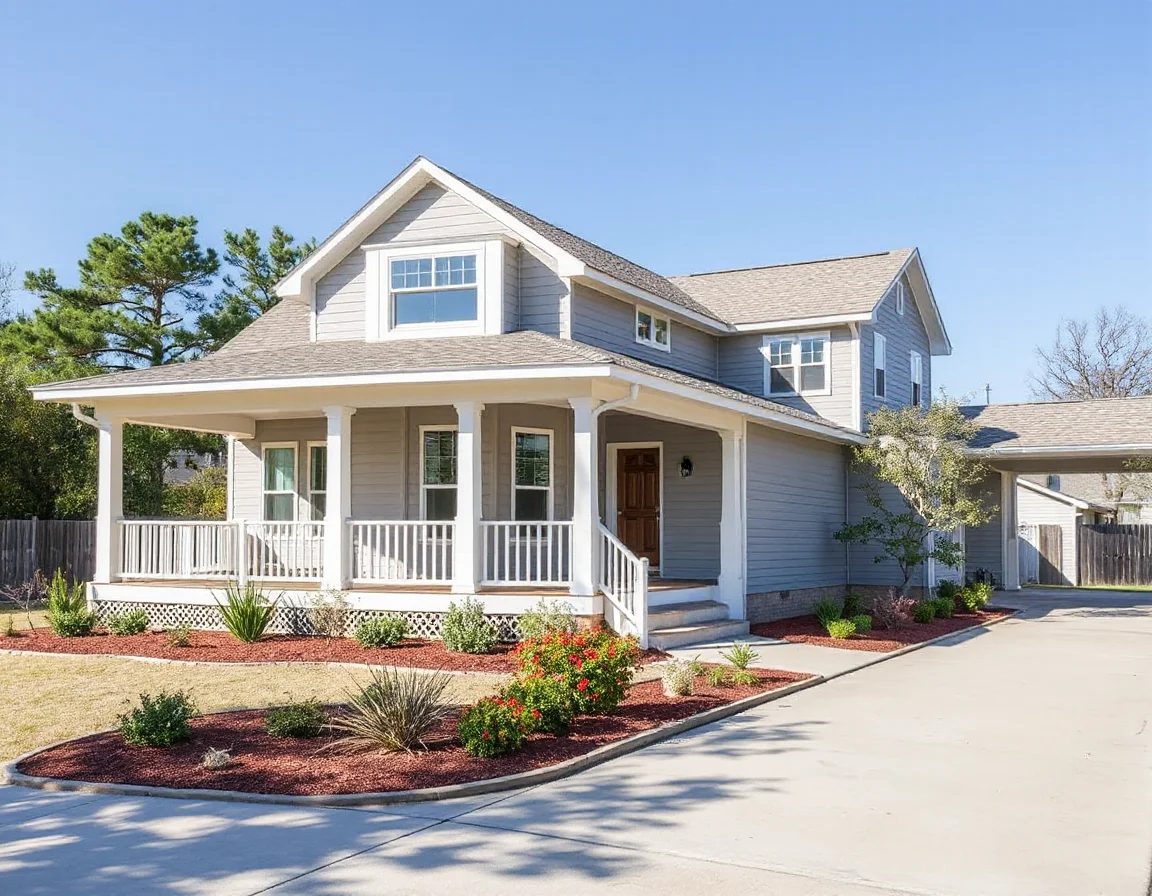
5. Are the major systems sized and maintained for the local climate? Air conditioning works hard along the Coastal Bend, particularly during long stretches of warm weather. Request service records when available and ask about the age, maintenance, and performance of HVAC units, water heaters, electrical panels, and appliances. For homes with wells, septic systems, generators, solar equipment, propane tanks, or boat lifts, clarify ownership, servicing schedules, transfer requirements, and whether specialized inspections are appropriate.
6. What are the practical routes in and out of the property? Daily access affects how a home functions just as much as its interior layout. Consider road surfaces, parking, turning space, driveway configuration, and proximity to the places you use often. In Rockport, buyers may also want to look at access to marinas, fishing areas, public parks, trails, galleries, dining, medical services, and Corpus Christi routes. Visit at more than one time of day when possible to get a fuller sense of traffic flow, lighting, and the surrounding setting.
For properties within a homeowners association, request the governing documents early. Review current dues, transfer fees, rental policies if relevant to your plans, architectural guidelines, maintenance responsibilities, and any pending assessments. The goal is not to assume a particular outcome, but to understand what ownership includes before you are committed.
Insurance quotes, inspection periods, and document-review deadlines can overlap quickly. Starting those conversations immediately after a contract is accepted gives you more room to compare information thoughtfully.
Make the Offer Fit Your Long-Term Plan
7. What will the total cost of ownership look like after closing? A purchase budget should include more than the mortgage payment. Property taxes, homeowners insurance, possible flood and windstorm coverage, association dues, utilities, landscaping, exterior upkeep, and seasonal maintenance can all contribute to the monthly and annual picture. Ask your lender, insurance providers, and real estate professional to help identify the estimates and documents needed for an informed comparison.
It is also worth considering how you want the home to support your everyday life. Perhaps the draw is proximity to Aransas Bay, a porch that catches the evening breeze, a workshop or storage space for outdoor equipment, or a low-maintenance lock-and-leave layout. Naming your priorities before touring helps separate essential property features from details that can be updated later.
Rockport offers a wide range of homes, from established neighborhoods near town amenities to coastal properties with views, docks, and larger outdoor areas. Each setting can come with its own questions, so there is real value in working through the details property by property rather than relying on assumptions. Melissa Collins Real Estate brings localized Coastal Bend perspective to the process, helping buyers organize the questions that matter at each stage.
Coastal ownership can be deeply rewarding when the research matches the excitement. By asking about flood exposure, elevation, windstorm readiness, maintenance, systems, access, association rules, and full ownership costs, you can move from a compelling first impression to a purchase decision grounded in useful information. Bring these seven questions to your next Rockport showing—and leave room for the answers to guide your next step.